U.S. President Donald Trump has urged Iran to release eight women reportedly facing execution, framing the move as a potential goodwill gesture ahead of possible peace talks between the two nations.
The women were detained during nationwide protests in 2026 and include a diverse group—among them a 16-year-old, a medical professional, and several activists. Authorities have accused them of security-related offenses, with some reportedly facing severe charges such as “waging war against God,” a term used in Iran’s legal system for serious crimes against the state.
In a post on Truth Social, Trump wrote, “I would greatly appreciate the release of these women… Please do them no harm,” echoing concerns raised by pro-Israel activist Eyal Yakoby. His statement signals an attempt to bring human rights issues into the broader diplomatic conversation, even as tensions remain high.

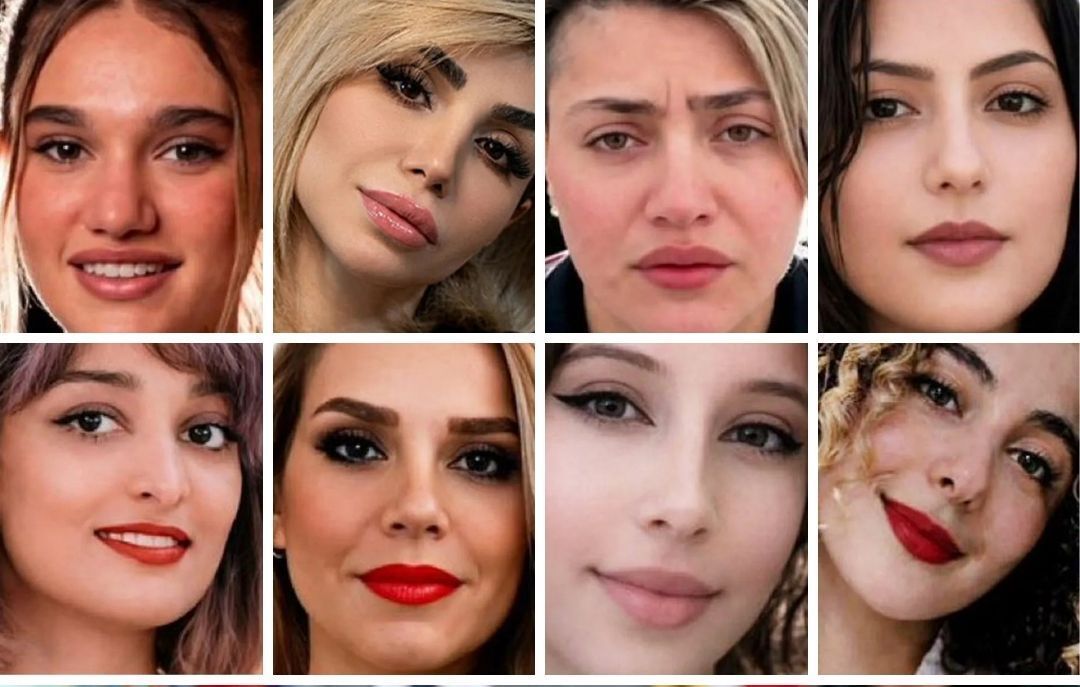
The individuals named in reports include Panah Movahedi, Bita Hemmati, Mahboubeh Shabani, Ensieh Nejati, Ghazal Ghalandari, Diana Taherabadi, Golnaz Naraghi, and Venus Hosseininejad. While details about each case remain limited, their situation has drawn international attention and concern from advocacy groups.
According to organizations such as the Human Rights News Agency and the National Council of Resistance of Iran, more than 50,000 people have reportedly been detained and over 300 executed in Iran this year alone. However, these figures are difficult to independently verify due to limited access and restrictions on reporting within the country.
The issue underscores growing global concern over human rights conditions in Iran, particularly during periods of political unrest. It also highlights the complex intersection of diplomacy and human rights, where gestures such as prisoner releases can play a symbolic role in easing tensions.
As the international community watches closely, the fate of these eight women could become a focal point in shaping both public opinion and future diplomatic efforts.